A CDL is one of the fastest ways to turn a job into a career—with multiple paths depending on how you want to live and work. Some drivers want to be home every night, others want maximum miles and bigger checks, and many aim for specialized roles that pay more once you’ve built experience. This guide breaks down the most popular CDL careers, what the work actually looks like, and how to choose the lane that fits your schedule, income goals, and lifestyle.
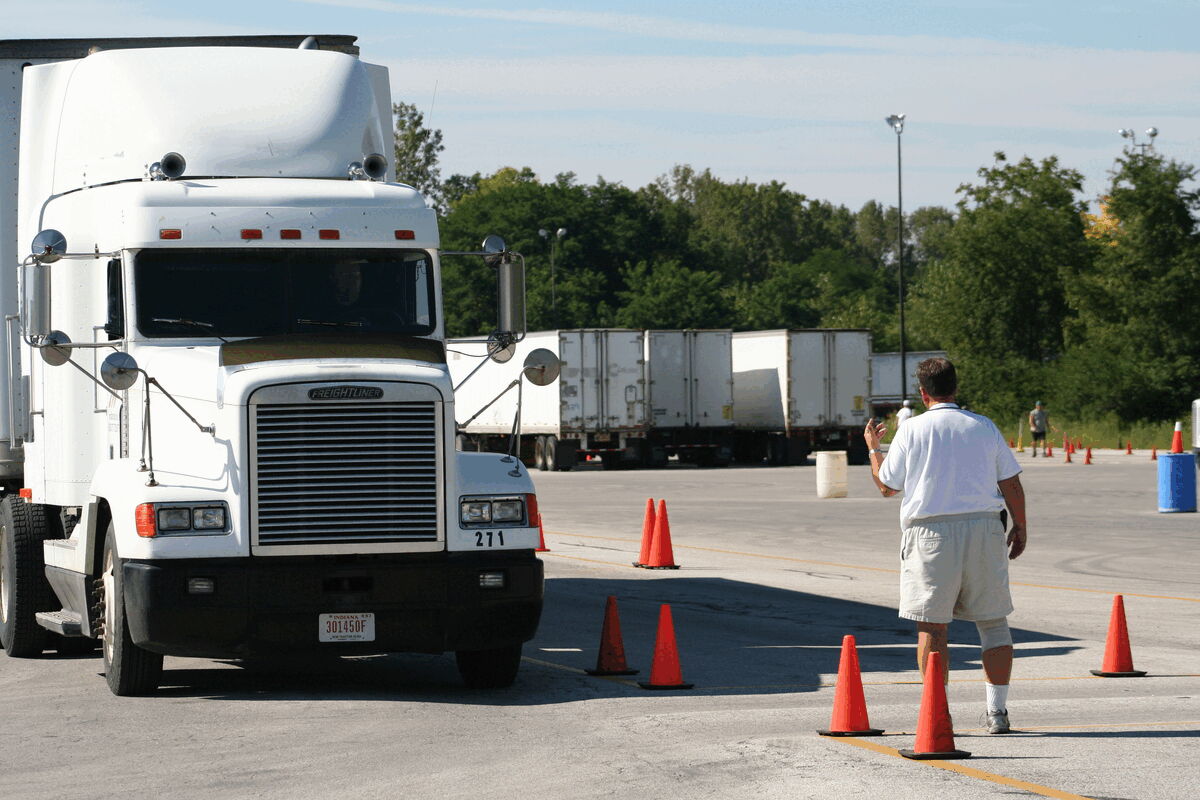
1) OTR (Over-the-Road) — Dry Van
This is the “classic trucking” job: long-distance routes hauling general freight in a standard enclosed trailer.
- Best for: people who want to maximize miles and don’t mind living on the road
- Typical schedule: weeks out at a time, then home time
- Why it’s popular: consistent freight availability and lots of hiring
2) Regional Driving
Similar to OTR, but limited to a specific region (Midwest, Southeast, etc.). You’ll often get more predictable home time.
- Best for: drivers who want a balance of miles + more time at home
- Typical schedule: home weekends or multiple nights per week
- Why it’s popular: better lifestyle than OTR with solid pay
3) Local Delivery (Home Daily)
Local routes include foodservice, beverage distribution, building supplies, parcel freight, and retail delivery. Many local jobs involve more stops and more physical work.
- Best for: drivers who want to sleep at home most nights
- Typical schedule: daytime or overnight shifts, often 5 days/week
- Why it’s popular: predictable routine and home time
4) LTL (Less-Than-Truckload)
LTL carriers move smaller shipments between terminals. You may run linehaul (terminal-to-terminal) or city routes (pickup/delivery).
- Best for: drivers who want structured operations and steady work
- Typical schedule: linehaul often nights; city routes often days
- Why it’s popular: strong benefits, predictable lanes, stable companies
5) Reefer (Refrigerated Freight)
Reefer hauling moves temperature-controlled goods (produce, food, pharmaceuticals). It’s steady year-round.
- Best for: drivers who want consistent freight and don’t mind strict appointment times
- Typical schedule: OTR or regional
- Why it’s popular: reliable demand and often strong miles
6) Flatbed
Flatbed drivers haul open-deck loads like lumber, steel, and equipment. You’ll secure loads with straps and chains.
- Best for: drivers who like active work and don’t mind weather
- Typical schedule: OTR or regional
- Why it’s popular: higher earning potential for drivers willing to do the extra work
7) Tanker
Tanker work includes hauling liquids like fuel, chemicals, food-grade products, or water. It requires attention to safety and handling.
- Best for: drivers who want specialized work and are safety-focused
- Typical schedule: can be local, regional, or OTR depending on product
- Why it’s popular: specialization can mean better pay and steady demand
8) Hazmat
Hazmat drivers haul regulated materials. It can apply across several categories (dry van, tanker, LTL).
- Best for: drivers comfortable with added compliance and screening
- Typical schedule: varies widely by carrier
- Why it’s popular: endorsements can unlock higher-paying lanes
9) Car Hauler
Auto transport can pay well, but it’s detail-heavy work: loading/unloading multiple vehicles with tight clearances.
- Best for: precise drivers who don’t mind complex loading
- Typical schedule: regional or OTR
- Why it’s popular: strong earning potential in a specialized niche
10) Construction / Dump / Aggregate
These roles commonly involve dump trucks, end-dumps, or hauling materials to job sites. Many are Class B, some are Class A.
- Best for: drivers who want local work and don’t mind seasonal swings
- Typical schedule: mostly daytime, home daily
- Why it’s popular: local routes and straightforward operations
11) Bus / Coach (Passenger)
Passenger driving includes city transit, charter buses, and school buses (often Class B with passenger endorsement).
- Best for: people who enjoy working with the public
- Typical schedule: scheduled shifts, often very consistent
- Why it’s popular: stable hours and strong benefits in many markets
How to Choose the Right CDL Career
- Home time: If “home daily” is non-negotiable, focus on local delivery, city LTL, construction, or transit.
- Pay upside: Specialization (tanker, hazmat, flatbed, car hauling) often increases earnings.
- Work style: If you want minimal touch freight, aim for linehaul/dry van. If you like staying active, flatbed and delivery routes fit.
- Experience level: Some specialty roles prefer experience—start in dry van/regional, then level up.
Quick tip
The fastest path is usually: Get Class A → build safe miles → add endorsements → move into a specialty lane.
Subscribe to Siteline Certified CDL's Blog